How do you design a design festival?
It’s a question Sam Ryan has been wrestling with for much of this year. As Festival Director of the inaugural Festival of Design Aotearoa, it’s been his job to led a small team shaping a brand-new national event from the ground up – and it’s almost here.
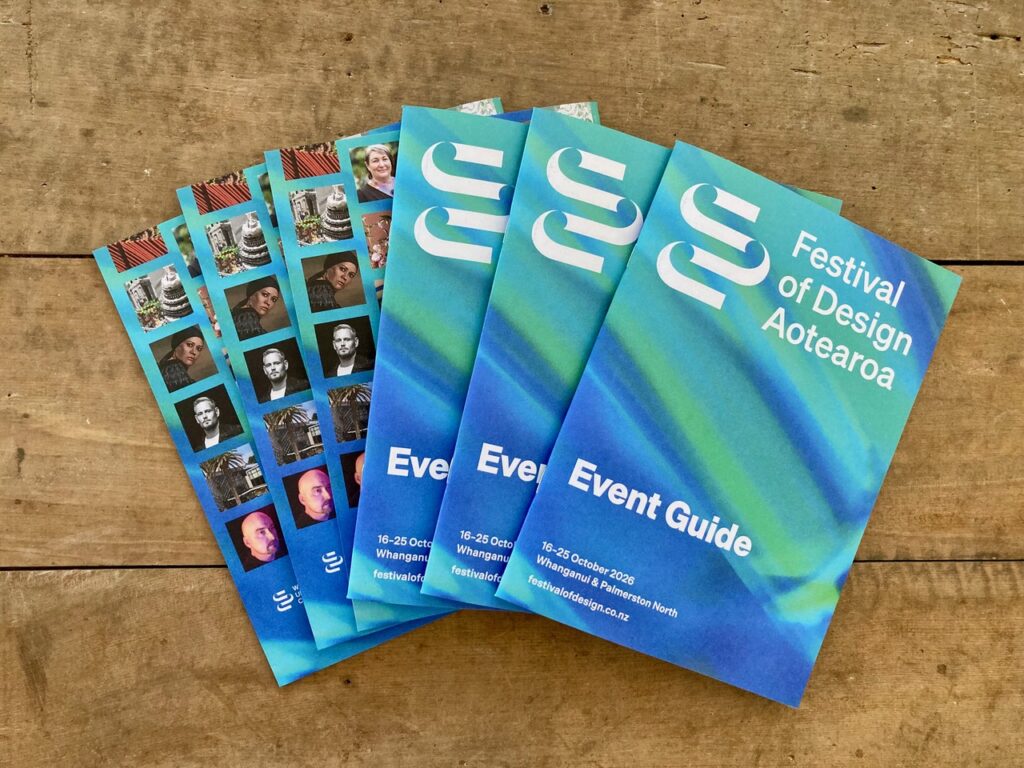
Running from 16 to 25 October across Whanganui and Palmerston North, the festival leans into Whanganui’s status as Aotearoa’s UNESCO City of Design to bring local, national and international designers together across a heap of different disciplines. There’ll be architecture, urban design, product design, graphic communication, service design and more on show, with exhibitions, performances, markets, public art tours, workshops and family activities popping up across the two cities.
In the lead-up to the big opening weekend, we caught up with Sam to find out what makes the festival stand out, what visitors can look forward to, and what he thinks a successful first year will look like.
As a brand new festival, what makes the Festival of Design Aotearoa unique within New Zealand’s design and cultural landscape?
[SR] Festival of Design Aotearoa is a national festival born from local identity. It’s grounded here in Whanganui as Aotearoa’s UNESCO City of Design, drawing on the incredible design culture that already exists here and connecting that with designers, thinkers and creatives from across New Zealand and around the world.
Aotearoa already celebrates our writers, filmmakers, musicians, performers and visual artists incredibly well, but there was no national festival bringing the broader world of design together.
The kaupapa is really about bringing design into public life and making it visible. Design shapes how we move, learn, communicate, gather and experience the places around us, but often we don’t stop to notice it.
How do you think a strong and healthy design scene positively benefits our region?
A really important part of the festival is creating pathways and platforms for our own local designers, artists and creatives, giving them opportunities to sit alongside national and international practitioners, make new connections and showcase their work. The festival showcases architecture, urban design, product design, graphic communication, service design and more.
And it genuinely is a festival, not a conference. There are talks and industry events, but also exhibitions, performances, demonstrations, markets, public art tours, family activities, workshops and public activations right across the city.
There are lots of different entry points, regardless of your age, interests or whether you have any connection to the design industry.
What opportunities do you hope will emerge when these different disciplines come together under one banner?
Connection, celebration and inspiration. We want people to come together, meet others, discover something new and encounter people or ideas they might otherwise never come across.
For the Whanganui community particularly, I want people to feel that the UNESCO City of Design designation belongs to them too. It shouldn’t be something that sits on a shelf as an award or title. People should be able to experience it, understand what it means and see how they fit within it. For one person that might mean hearing an international designer speak. For somebody else it could be watching glassblowing, taking their children to a free activation, exploring an exhibition, joining a public art tour or simply seeing familiar buildings transformed through light after dark. The city itself becomes part of the festival experience.
There’s an economic element to that as well. We want visitors and locals moving through the CBD, attending evening events, eating in restaurants, visiting shops, staying in accommodation and spending time in the city. The festival itself is also putting investment back into the local economy through designers, artists, contractors, technicians, suppliers, accommodation providers, venues, hospitality and other local businesses involved in delivering it. Ultimately, we want the connections created over those ten days to last much longer than the festival itself.
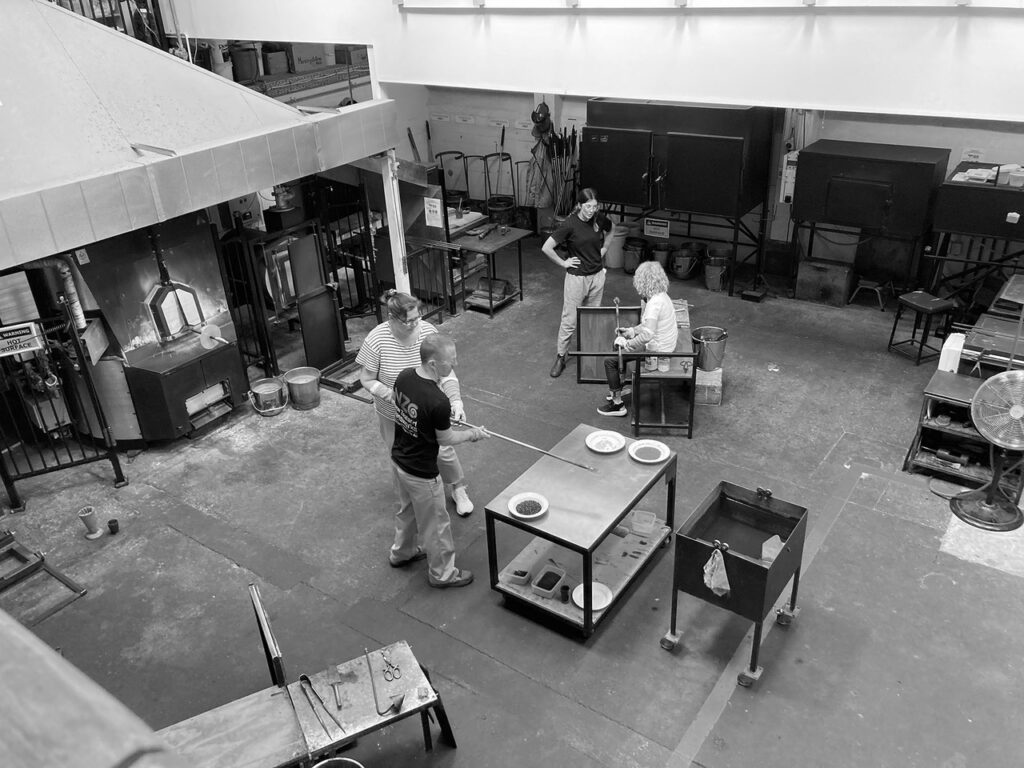
Glassblowing: one of many, many design experiences visitors can check out during the festival
What would success look like for you after this year’s festival?
This inaugural programme is intentionally very broad. Part of what we wanted to do in the first year was demonstrate what a Festival of Design Aotearoa could be and give lots of different audiences an opportunity to find their way into it.
Our priority now is to deliver this year’s festival really well, gather the attendance and economic data, listen to our audiences and participants and understand where the greatest impact has been. Then we can use that information to build a sustainable model for the future.
What’s one design-related place, building, object or experience in our region you think everyone should see at least once?
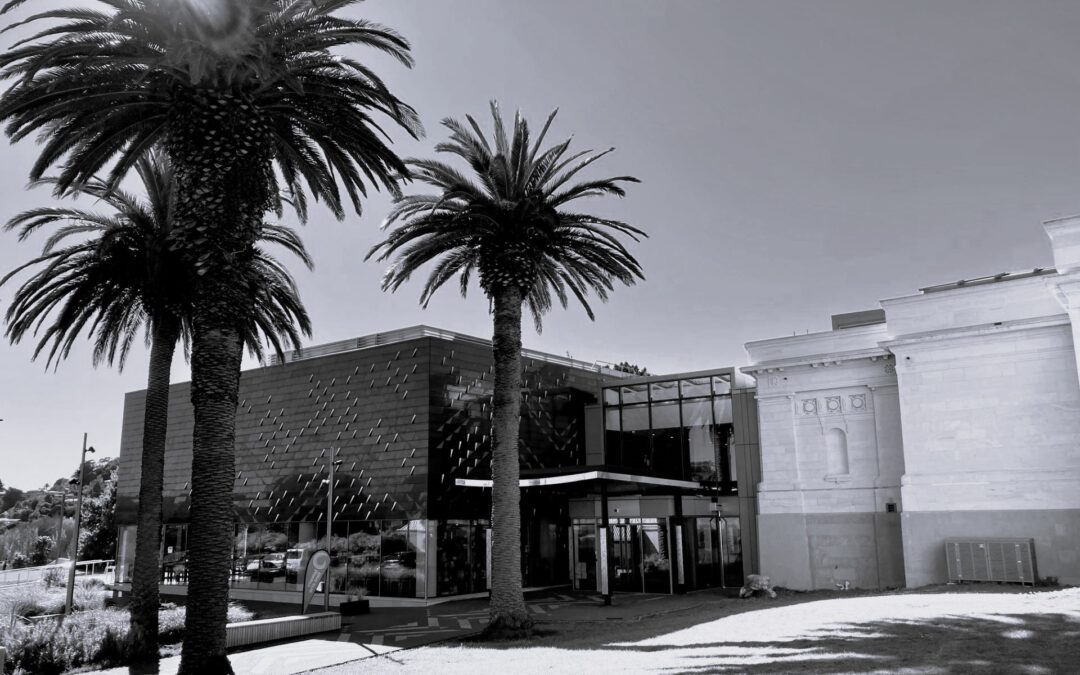
Te Whare o Rehua Sarjeant Gallery [pictured at top]. It’s an extraordinary example of how contemporary design can sit alongside heritage while telling a distinctly Whanganui story. The restored 1919 gallery and its new wing bring together architecture, art and the cultural narratives of Te Awa Tupua in a way that feels completely grounded in place.
The Brutalist Building – the former Whanganui Departmental Building – is also a favourite of mine. I love the rawness of it. There’s something about the exposed concrete, repetition and almost industrial rhythm that really appeals to me. I love techno and those raw warehouse spaces, and this building somehow feels like what German techno would look like if you turned the sound into architecture. Which I’m fairly sure wasn’t what the architects were thinking at the time!
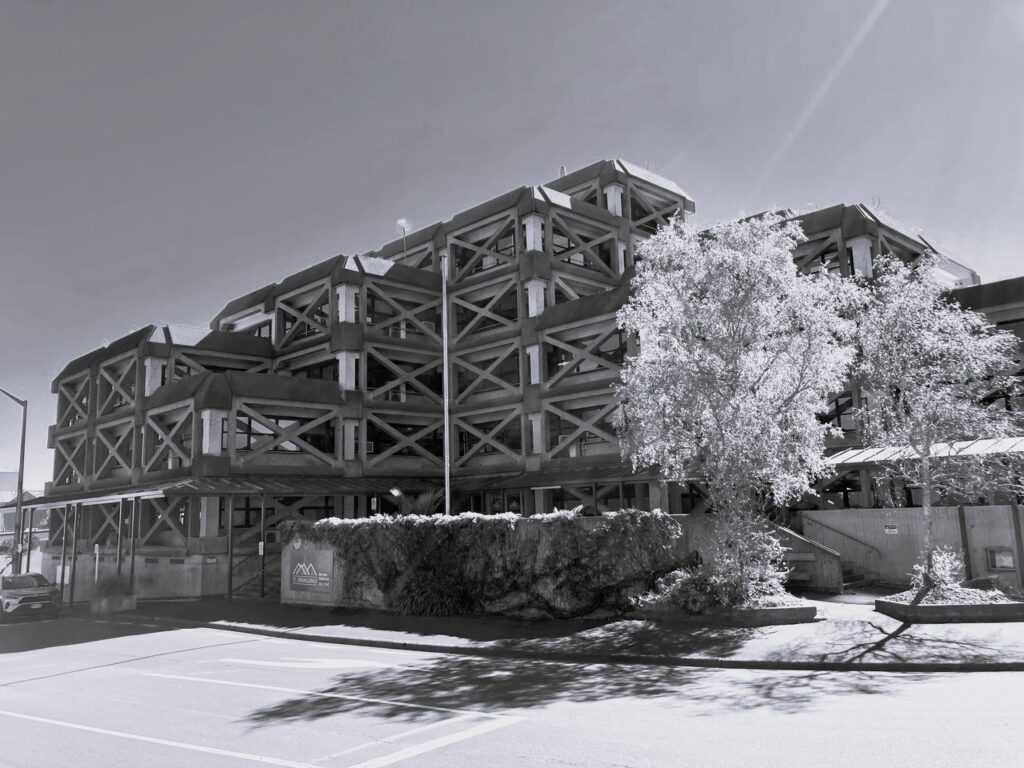
“This building somehow feels like what German techno would look like if you turned the sound into architecture.”
Festival of Design Aotearoa takes place across Whanganui and Palmerston North between 16-25 October, 2026. As part of the festival, Black Pine Architects is hosting an Open Day on October 18 – see you there!